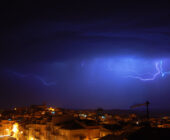

Tropical Storm Bertha is churning through the Gulf, and while the exact track is still shifting, South Central Texas is watching this one closely. Storms like Bertha don’t need to make a direct hit to cause problems here. Heavy rain bands, gusty winds, and saturated ground can knock out power well inland, long after the storm itself has weakened.
If you’ve ever sat through a summer power outage in San Antonio, you already know how fast the situation turns uncomfortable. The air conditioning stops. The refrigerator starts warming up. Sump pumps and well pumps go quiet right when you need them most. A whole-home generator is one of the few upgrades that turns “wait it out” into “barely notice it happened.”
Why Inland Texas Feels These Storms Too
Bertha’s current forecast keeps the strongest winds and heaviest rain closer to the coast, but San Antonio and the surrounding Hill Country aren’t off the hook. Feeder bands can still bring downpours and wind gusts strong enough to stress the local grid, especially in areas with older overhead lines or heavy tree cover. Add in already-saturated soil from earlier summer storms, and it doesn’t take much to snap a limb onto a line or trip a substation.
The bigger risk for most homeowners isn’t the storm itself. It’s what happens in the days after, when repair crews are stretched thin across the whole region and outages can stretch from hours into days.
What a Whole-Home Generator Actually Covers
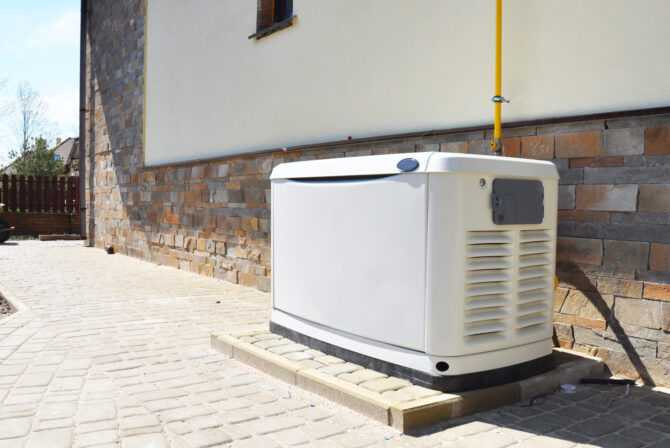
A properly sized whole-home generator keeps the systems that matter running automatically, without you lifting a finger:
- Cooling: Your AC keeps cycling, which matters when a power outage lines up with a heat advisory.
- Refrigeration: Food in the fridge and freezer stays safe instead of becoming a total loss.
- Sump and well pumps: Keeps water moving out of your home instead of into it during heavy rain.
- Medical equipment: Reliable power for oxygen concentrators, CPAP machines, and other essential devices.
- Security and connectivity: Lights, garage doors, and internet stay on so you’re not navigating a blackout in the dark.
Unlike a portable unit you have to haul out, fuel, and manually connect, a whole-home system detects the outage and switches over automatically, often within seconds.
Don’t Wait for the Storm to Make the Call
The homeowners who end up without power for days are rarely the ones who planned ahead. Generator installation takes time to schedule properly, from sizing the unit to your home’s electrical load, to permitting, to the actual install. Waiting until a storm is bearing down on the coast means competing with every other homeowner in the region for the same limited appointment slots.
If a generator has been on your list of “someday” projects, a storm like Bertha is a good nudge to move it up. Even if this system passes without incident here, hurricane season in the Gulf runs through November, and South Central Texas will likely see more systems worth watching before it’s over.
A Few Things to Check Before Any Storm
Even if a generator isn’t in your immediate plans, a little prep goes a long way:
- Confirm your electrical panel can handle a portable generator or future whole-home unit safely, without overloading circuits.
- Test any sump pump backup battery now, not after the rain starts.
- Have a plan for refrigerated medications or medical equipment that needs consistent power.
- Know who to call for emergency electrical or plumbing issues before you actually need them.
Storm prep doesn’t have to be complicated, but it does have to happen before the wind picks up.
Ready to Talk Generator Options?
Champion Home Services installs and services whole-home generators throughout San Antonio, Boerne, Helotes, New Braunfels, and the surrounding Hill Country. If Tropical Storm Bertha has you thinking about backup power, our team can walk you through sizing, installation timelines, and financing options before the next system rolls through. Call (210) 528-1604 or request service online to get started.